How to Spot Fake Vehicle Verifications and Avoid Scams
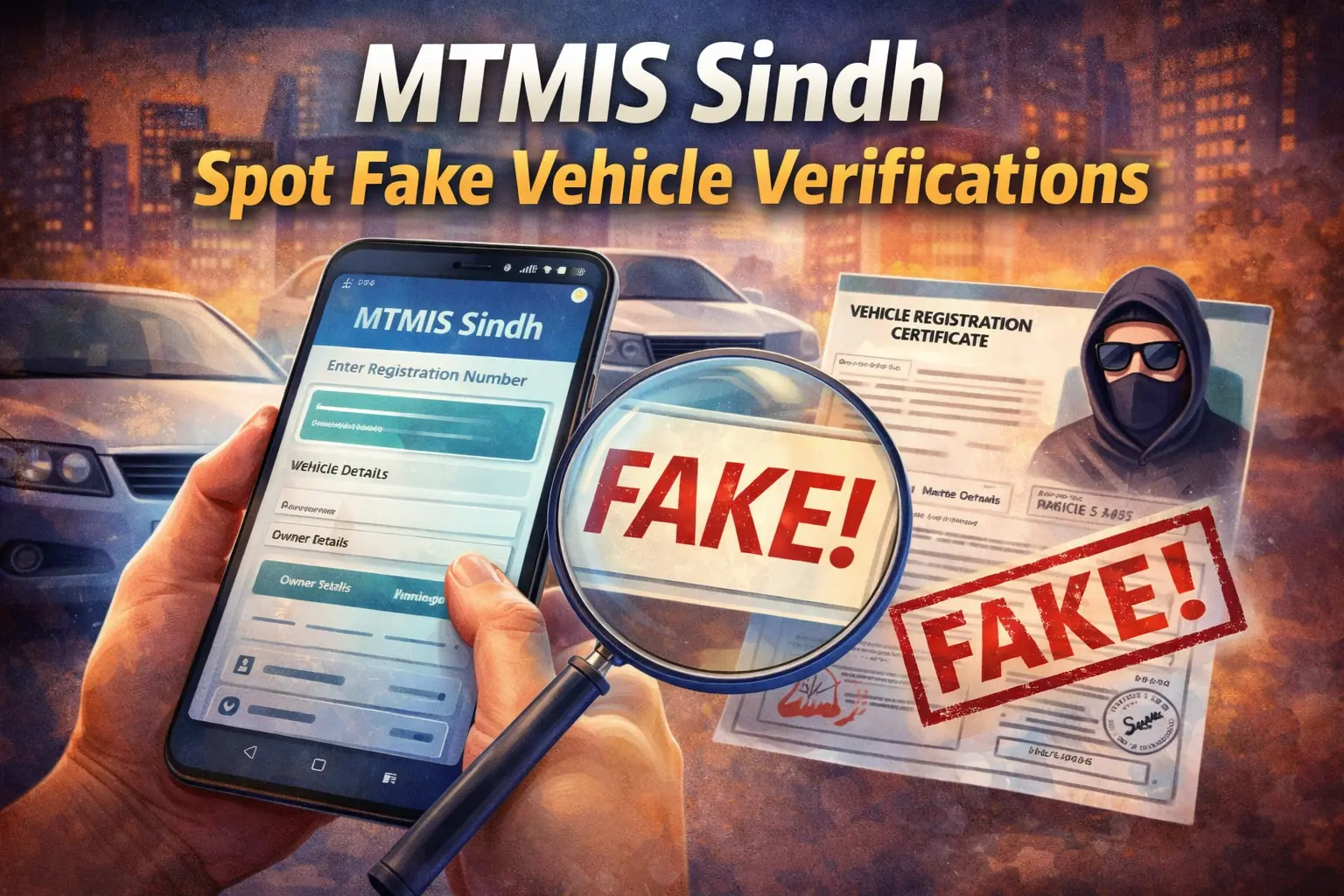
It is becoming important to spot fake vehicle verifications. Scammers target vehicle owners with fraudulent documents, fake verification centers, and fake online services, tricking people into paying for verification that is not real. Knowing how to spot fake vehicle verifications is essential to protect yourself, your vehicle, and your money.
Falling for a fake verification can cause serious problems:
- Financial loss due to paying for fake services.
- Legal complications if the vehicle is involved in accidents or traffic violations.
- Delays in official vehicle registration or transfer.
- Risk of identity theft or misuse of personal information.
By learning the key signs of fake verifications and using proper verification channels, you can ensure your vehicle is properly verified and avoid scams. Staying informed is the first step to staying safe.
What Are Vehicle Verification Scams?
Vehicle verification scams are fraudulent schemes where scammers trick vehicle owners into paying for fake or unauthorized verification services. These scams often target people who are buying, selling, or renewing their vehicle registrations. Scammers create fake documents, websites, or even offices that look official, making it hard for victims to spot the fraud.
Common types of vehicle verification scams include:
- Fake verification centers: Unofficial locations claiming to verify vehicles for a fee.
- Online document scams: Fraudulent websites asking for vehicle details and payments.
- Unauthorized agents: Individuals posing as officials offering verification services.
- Phishing messages: SMS or emails requesting vehicle information or payments.
Victims often lose money or face legal complications due to these fake verifications, making it essential to spot fake vehicle verifications early.
Common Signs of Fake Vehicle Verifications
Spotting fake vehicle verifications is crucial to avoid scams and financial loss. One of the most common red flags is inconsistent or incorrect documents. Authentic verification papers always match the official vehicle records, while fake ones may have typos, wrong dates, or missing stamps. Another warning sign is unusual payment requests. If a verification center asks for cash transfers, mobile payments, or extra fees outside official procedures, it is likely a scam. Unverified or unofficial centers claiming to offer quick vehicle verification are also a major red flag.
To make it easier, here’s a comparison table showing authentic versus fake verification features:
| Feature | Authentic Verification | Fake Verification |
| Document Accuracy | Matches official records | Typos, missing stamps, wrong dates |
| Payment Method | Official channels only | Cash transfers, unusual online requests |
| Verification Center | Government-authorized or certified. | Unofficial, unverified, or unknown location |
| Processing Time | Standard, transparent | Too fast or rushed |
By checking these signs carefully, you can spot fake vehicle verifications before making any payments or commitments.
How to Verify Your Vehicle Properly
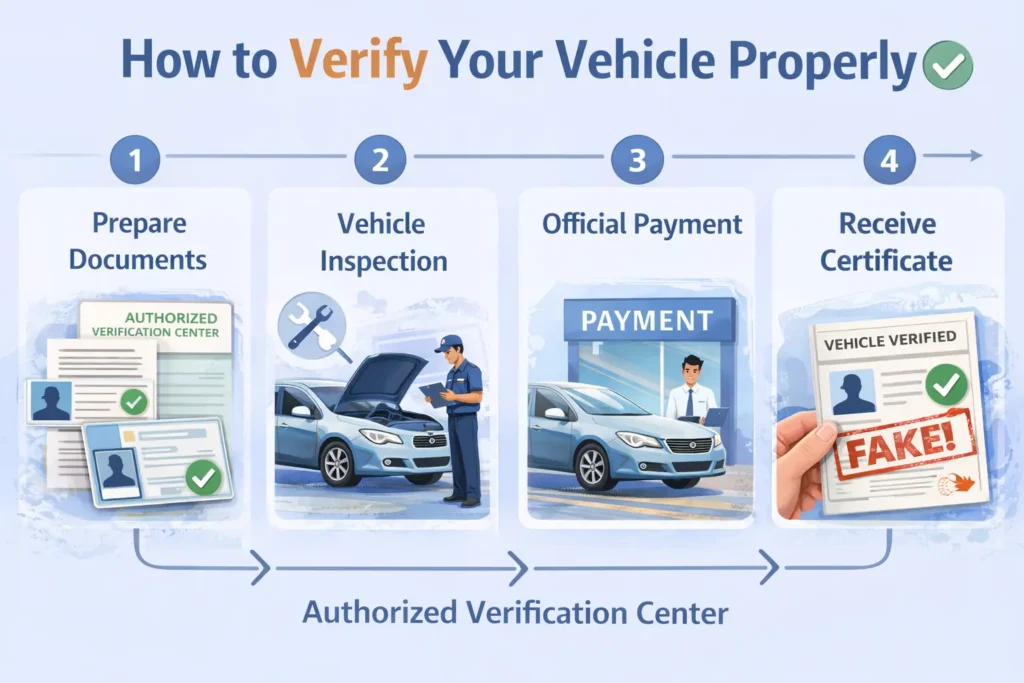
Verifying your vehicle properly is essential to avoid falling victim to scams and fake vehicle verifications. Following the official process ensures your vehicle records are accurate and legally recognized. Here’s a simple step-by-step guide to help you:
- Visit an Authorized Verification Center – Always go to government-approved or licensed verification centers. Avoid unofficial agents or unknown private offices.
- Prepare Required Documents – Keep your original vehicle registration, ID, insurance papers, and any prior verification documents ready.
- Vehicle Inspection – The authorized center will inspect your vehicle, checking engine numbers, chassis numbers, and other important details.
- Payment of Official Fees – Pay only the prescribed government fee. Avoid extra charges from third parties.
- Receive Official Verification Certificate – After inspection and payment, you will get a government-issued verification certificate. Keep it safe for future use.
| Feature | Authentic Verification | Fake Verification |
| Issuing Authority | Government or licensed centers | Private, unlicensed offices |
| Document Check | Thorough verification of all vehicle papers | Often superficial or skipped entirely |
| Certificate | Official, tamper-proof certificate | Fake, easily forged or altered |
| Fees | Standard government fee | Extra or unusually high charges |
Following these steps ensures you can spot fake vehicle verifications and secure your vehicle legally. Always double-check your verification documents and report suspicious centers.
Tools and Resources to Check Vehicle Authenticity
Verifying a vehicle properly is the best way to spot fake vehicle verifications. Several tools and resources can help vehicle owners ensure their verification is genuine. Government databases are the most reliable, as they provide official records of vehicle ownership and verification status. Many countries offer online portals where you can enter your vehicle number or chassis details to confirm authenticity.
In addition, mobile apps are available that allow users to scan QR codes or check verification details instantly. Some of these apps are free, while others offer advanced features for a small fee, such as alerts for expired verifications or suspicious activity.
Here’s a simple table of popular tools and their reliability:
| Tool / Platform | Features | Reliability |
| Government Vehicle Portal | Official verification, ownership history | High |
| VehicleCheck App | QR code scanning, instant verification | Medium-High |
| Third-party Verification Site | Paid alerts, additional vehicle history | Medium |
Using these tools consistently helps vehicle owners avoid scams and ensures that every verification is authentic.
Tips to Avoid Falling Victim to Vehicle Verification Scams
Protecting yourself from fake vehicle verifications is easier when you follow a few simple steps. By staying cautious, you can ensure your vehicle is verified correctly and avoid scams. Here are some actionable tips:
- Double-check credentials: Always verify that the verification center or agent is authorized. Ask for official documents or IDs before proceeding.
- Use official channels: Rely on government websites or approved centers for vehicle verification rather than third-party agents.
- Avoid unusual payment requests: Be cautious if someone asks for cash payments outside official procedures.
- Be alert to unrealistic promises: Scammers often lure victims with quick approvals or unusually low fees.
- Report suspicious activity: If you encounter a fake verification attempt, report it immediately to the authorities.
Following these tips will help you spot fake vehicle verifications and keep your vehicle documentation safe.

What to Do if You Encounter a Fake Verification
If you suspect that a vehicle verification is fake, acting quickly can minimize damage. Here’s what to do:
- Stop all transactions immediately: Do not pay any money or submit documents.
- Verify authenticity: Contact the official vehicle verification authority to confirm the status.
- Report the scam: Notify local authorities or the relevant government department about the incident.
- Keep records: Save screenshots, receipts, and communications as evidence.
- Prevent future scams: Educate yourself about common red flags and always use official channels.
Taking these steps will help you spot fake vehicle verifications and protect yourself from legal and financial issues.